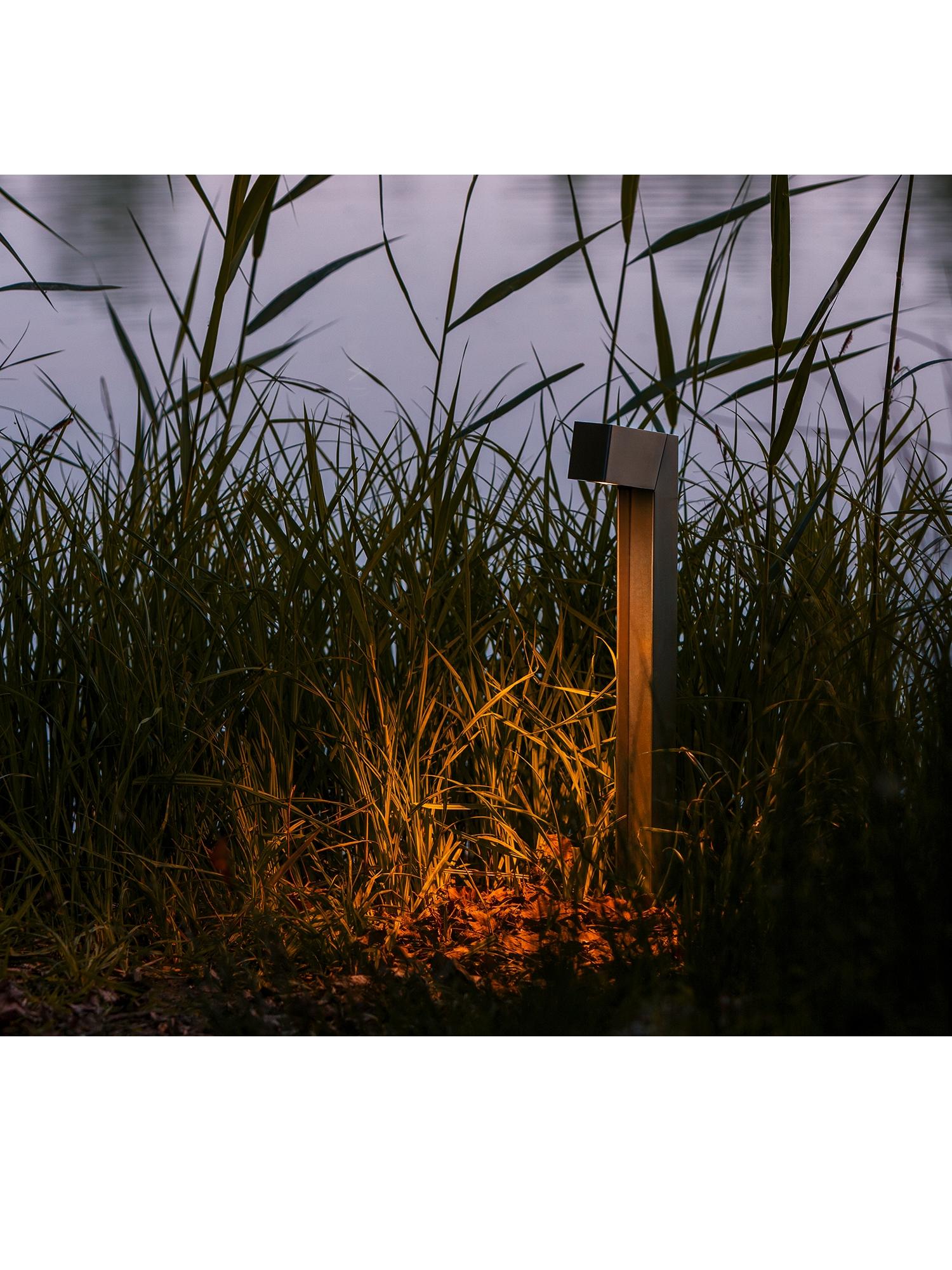
2200K outdoor lighting:

sustainability, design, and reduction of light pollution

2200K outdoor lighting: 
sustainability, design, and reduction of light pollution

In outdoor lighting design, the goal is no longer simply to light up a space, but to do so in a way that aligns with environmental, regulatory, and perceptual considerations.

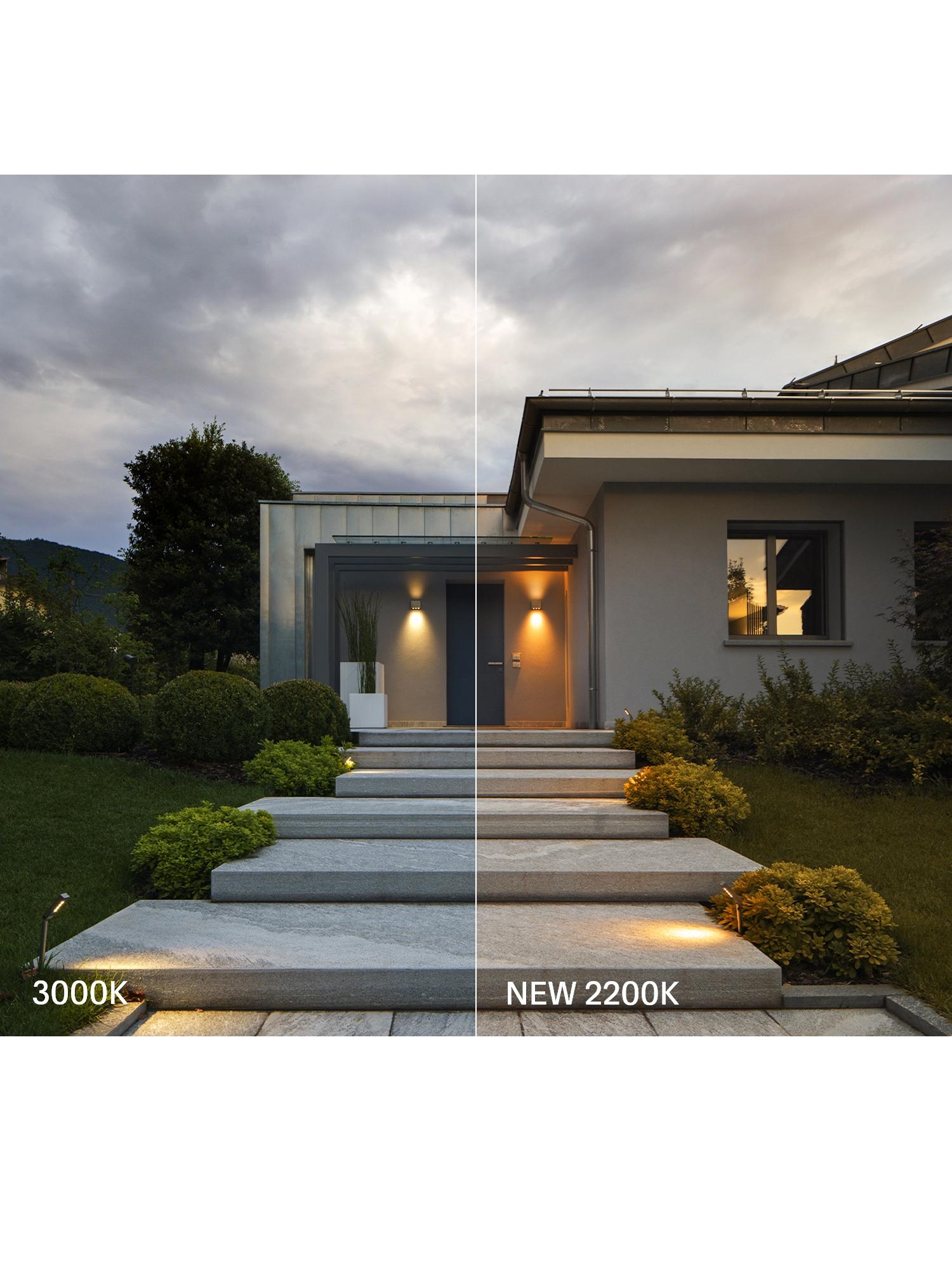
In this context, the introduction of the 2200K color temperature to the STRAL’s range offers a new design solution aimed at reducing the impact of artificial lighting.

What is 2200K light, and why is it used in outdoor lighting?


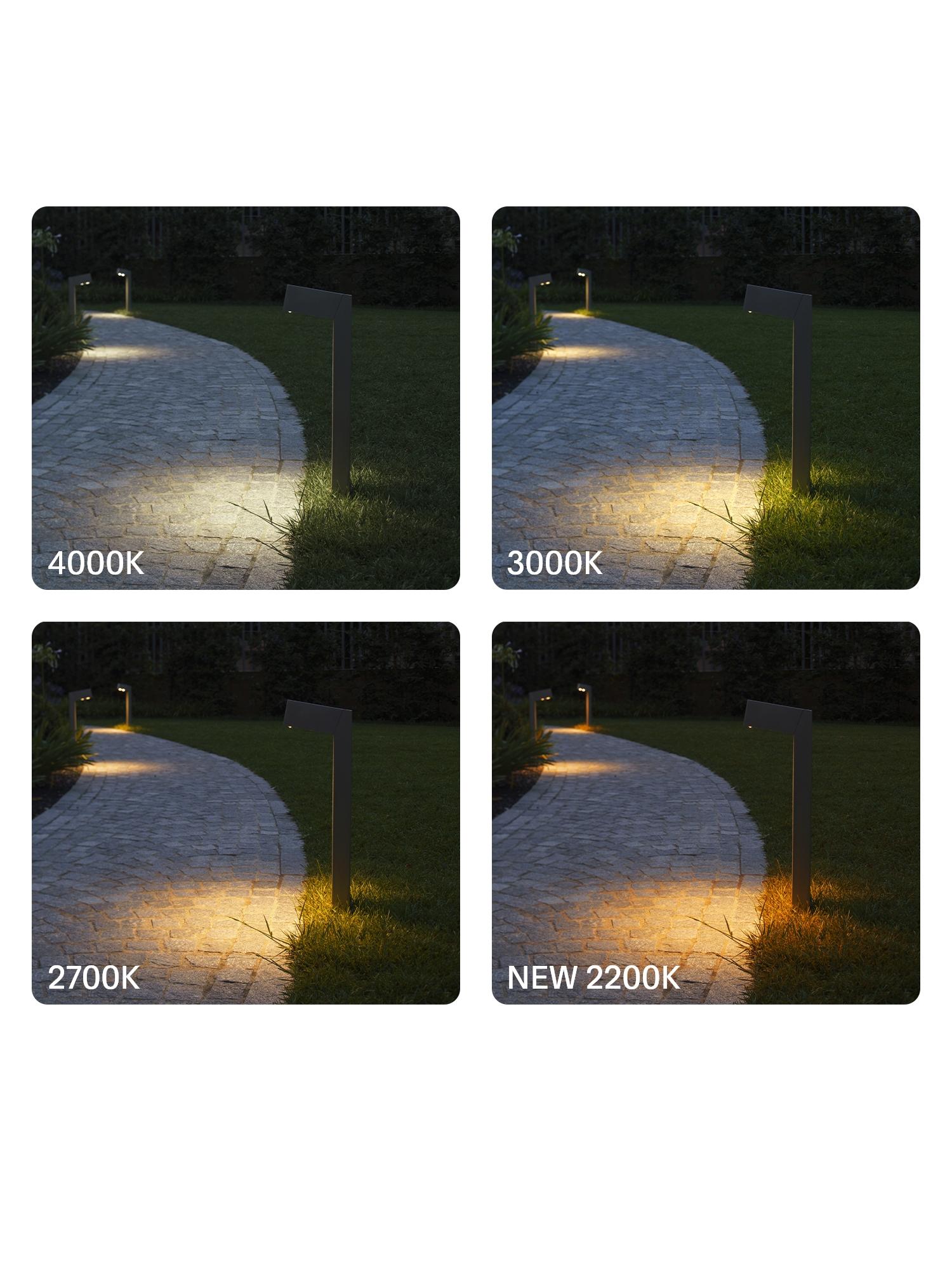
Color temperature defines the spectral composition of the emitted light:

  • 4000K → high blue component
  • 3000K → standard urban lighting
  • 2700K → warm light
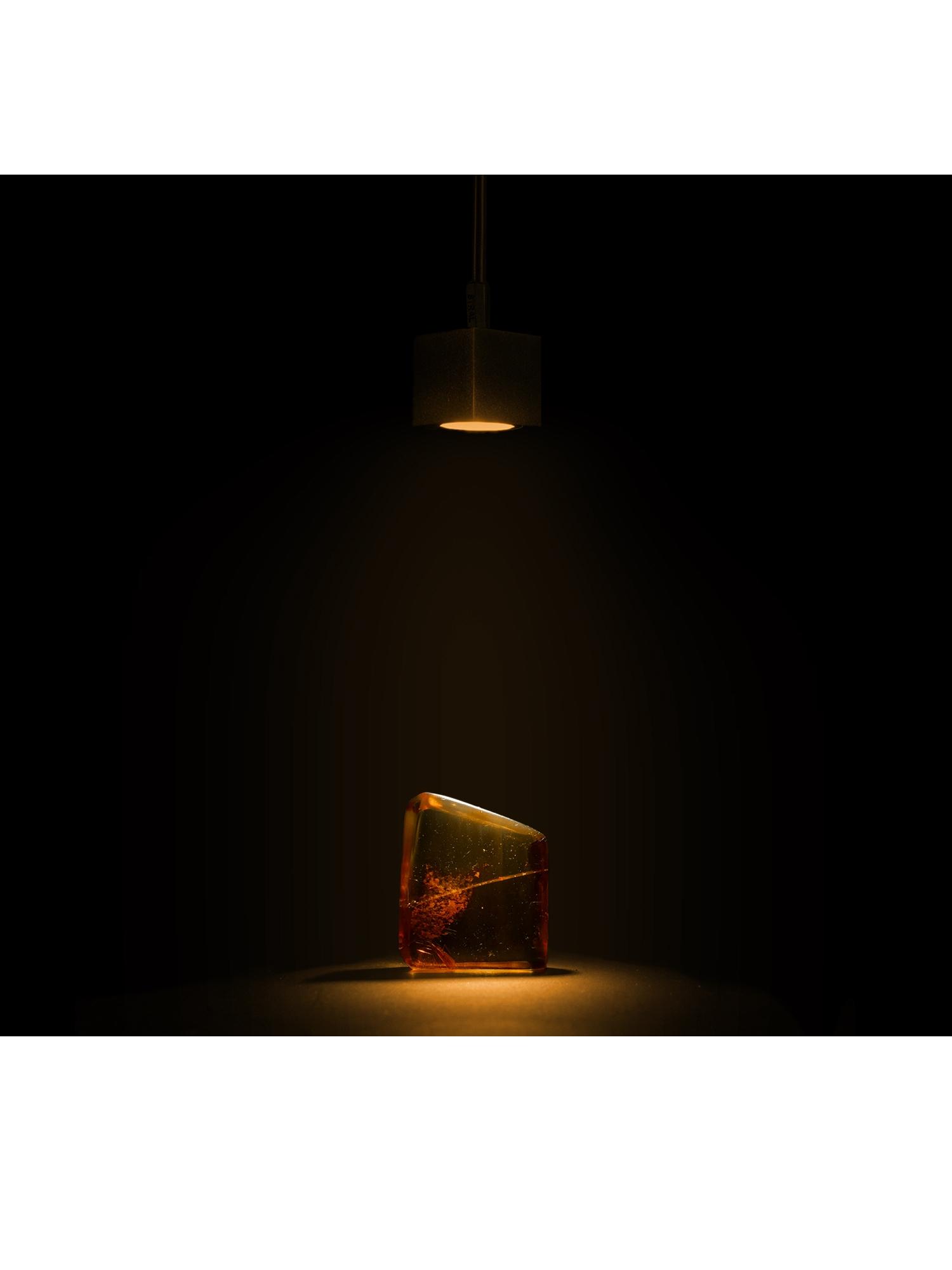
  • 2200K → amber light, with low blue component

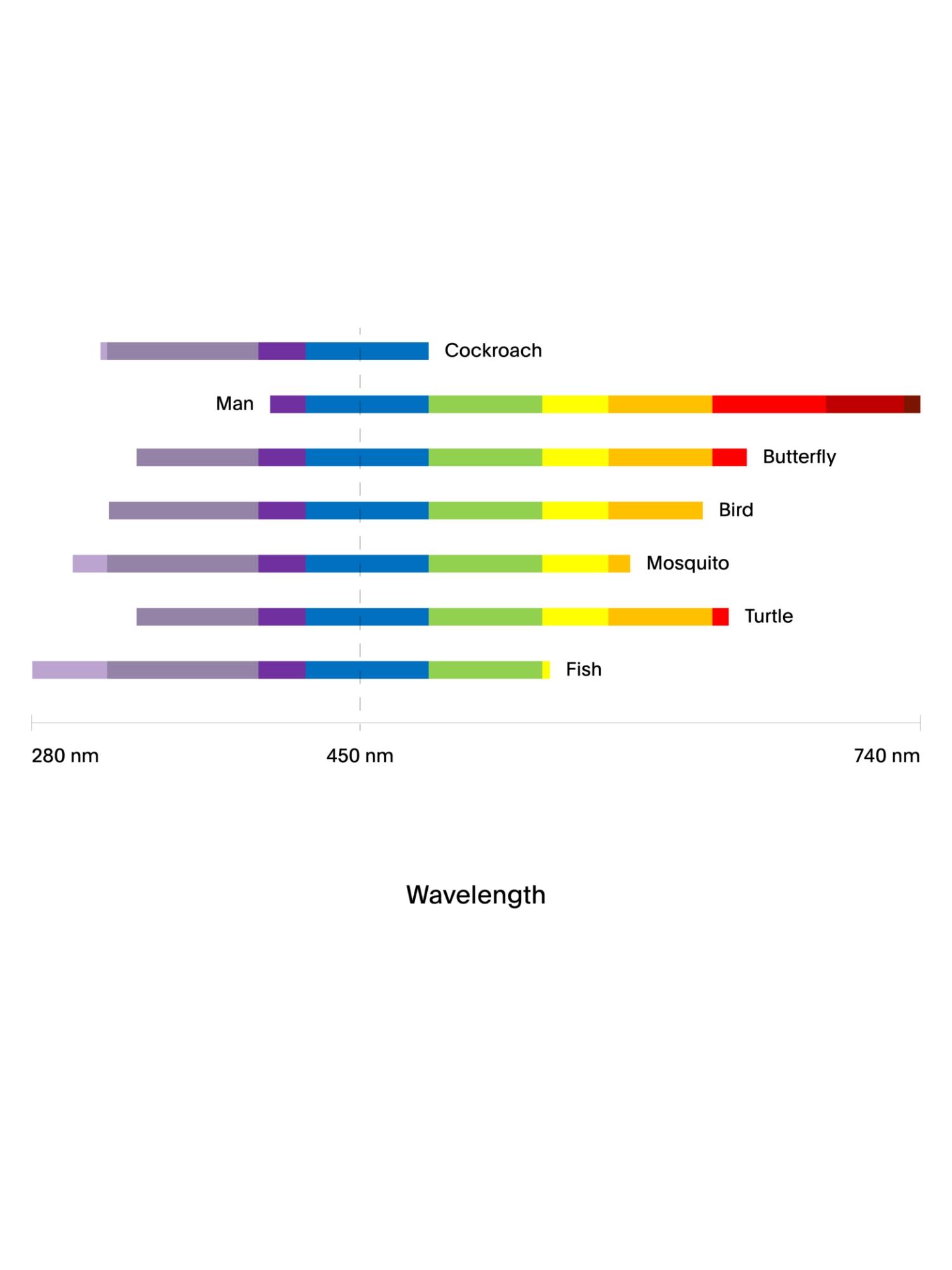
By reducing short wavelengths, 2200K lighting has less impact on the nightscape and ecosystems.

I have no idea what this is

What is the impact of artificial light on night-time biodiversity?


Artificial light affects the behavior of night-active wildlife.

Light sources with a high blue component attract insects, disrupt biological cycles, and interfere with species’ orientation.

Lower color temperatures, such as 2200K, are less attractive, reduce light pollution, and contribute to greater environmental compatibility.

I have no idea what this is

Why do we design with less light and greater control over the light output these days?


The lighting design is guided by a clear principle: using only the necessary amount of light.

This means avoiding over-lighting, controlling the direction of the light, and selecting color temperatures that are consistent with the surrounding environment.

In this approach, 2200K lighting is an effective tool for improving perceived quality and reducing the environmental impact of outdoor lighting.

I have no idea what this is

STRAL 2200K outdoor lights: a new design opportunity


With the introduction of the 2200K, STRAL expands the design possibilities of its outdoor range, offering solutions that align with today’s needs for:

  • reducing light pollution
  • promoting biodiversity
  • light quality

A choice that doesn’t simplify the design process, but makes it more thoughtful.


I have no idea what this is