Painted aluminum vs stainless steel:

what really happens when a surface gets damaged
Painted aluminum vs stainless steel: 
what really happens when a surface gets damaged

In outdoor lighting design, material selection is not just about aesthetics or cost. It is a strategic decision that directly affects durability, maintenance, and how a product ages over time.

Among the most widely used solutions is painted aluminum, appreciated for its light weight and versatility. But what actually happens when the surface is scratched or exposed to impacts — especially around edges and corners, the most vulnerable areas of any outdoor luminaire?

The answer reveals a fundamental distinction often overlooked in architectural lighting:
the difference between a material protected by a coating and a material that is inherently resistant.


Discover the maintenance and cleaning kit
The structural limitation of painted aluminum


Aluminum is naturally softer than many other metals. This makes it more susceptible to scratches, abrasions, and surface damage.

When aluminum is painted or powder coated, its long-term protection relies on an applied surface layer. This introduces a critical vulnerability:

the durability of the system depends on the continuity of the coating.

When that continuity is interrupted by:

  • accidental scratches
  • impacts on corners and edges
  • micro-imperfections during manufacturing

the surface becomes exposed to moisture, pollutants, and corrosive agents.


What happens after a scratch: the corrosion mechanism


Once the protective coating is compromised, several well-known corrosion phenomena can occur.

  1. Localized corrosion initiation

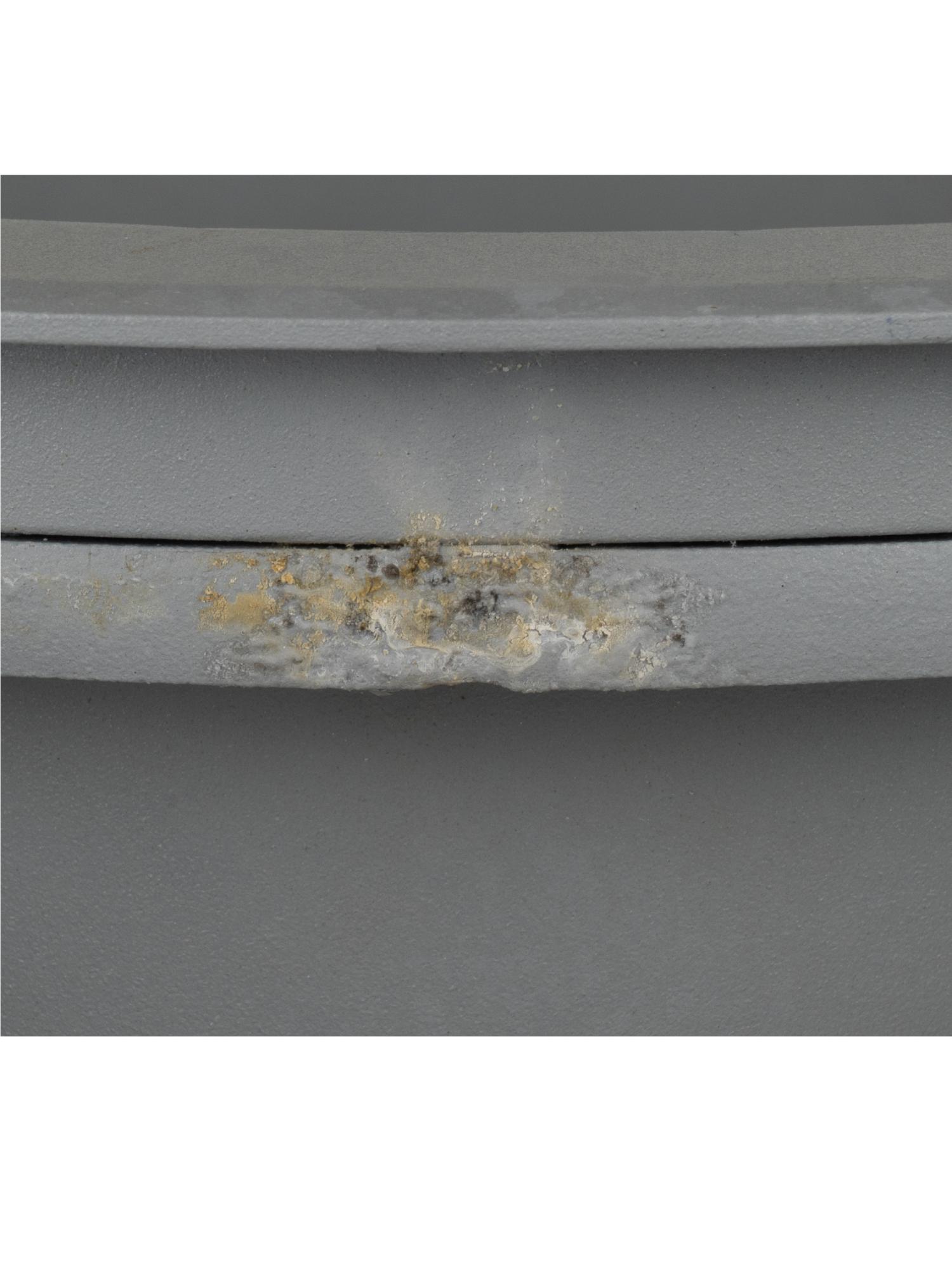
Surface defects such as scratches or microfractures can trigger pitting corrosion, a localized form of degradation characterized by small holes or cavities in the metal surface.

  1. Corrosion propagation beneath the coating

When moisture penetrates under the paint layer, filiform corrosion may develop — a common issue in coated aluminum systems.

This type of corrosion:

  • spreads underneath the coating
  • appears as thread-like filaments or irregular lines
  • progressively weakens coating adhesion
  1. Delamination and peeling

As corrosion advances:

  • the paint begins to lift
  • surface detachment becomes visible
  • the degradation process accelerates over time

Once initiated, this mechanism is difficult to stop and often leads to progressive deterioration of the surface.


I have no idea what this is

What aluminum corrosion actually looks like


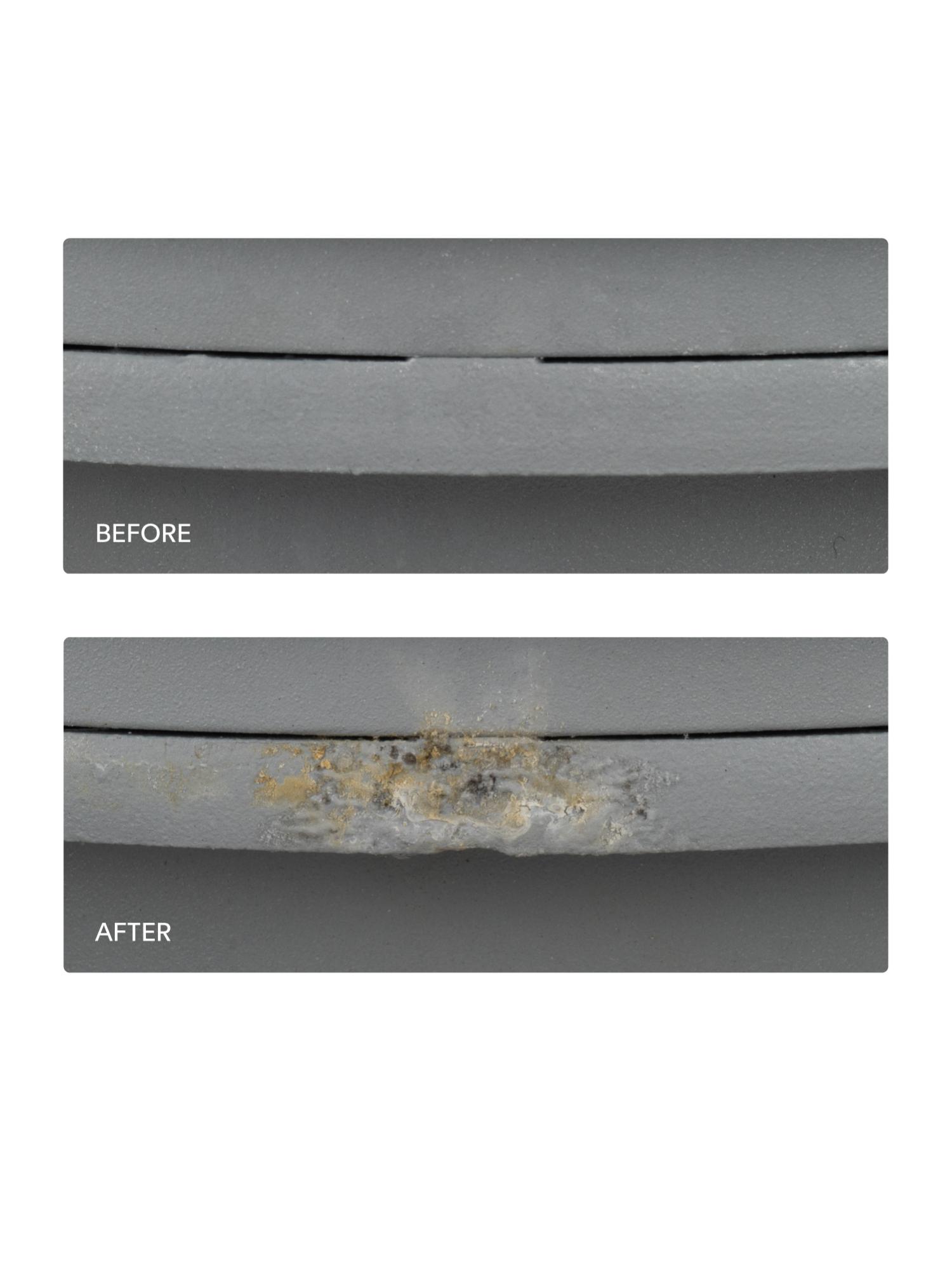
Visually, aluminum corrosion often appears as:

  • white or grey oxidation deposits
  • rough or uneven textures
  • pitting and loss of surface uniformity

In more advanced stages:

  • the surface can become porous
  • peeling and coating detachment occur

Although aluminum oxide can provide a certain degree of natural protection, when corrosion develops beneath a coating, it becomes both an aesthetic and functional issue. Over time, this may evolve into deeper structural deterioration.


The critical area: edges and corners in outdoor luminaires


In lighting fixtures, edges and corners represent high-risk areas because:

  • the coating layer is naturally thinner
  • they are more exposed to impacts and abrasion
  • achieving uniform coating thickness is more difficult

This is why degradation frequently starts at the edges before extending across the surrounding surfaces.

I have no idea what this is

A different approach: materials without additional layers


An alternative design philosophy is based not on surface protection, but on the intrinsic properties of the material itself.

In the case of AISI 316L stainless steel:

  • corrosion resistance is built into the material
  • protection derives from its chemical composition, including chromium and molybdenum
  • performance does not depend on an applied coating

This fundamentally changes long-term behavior:

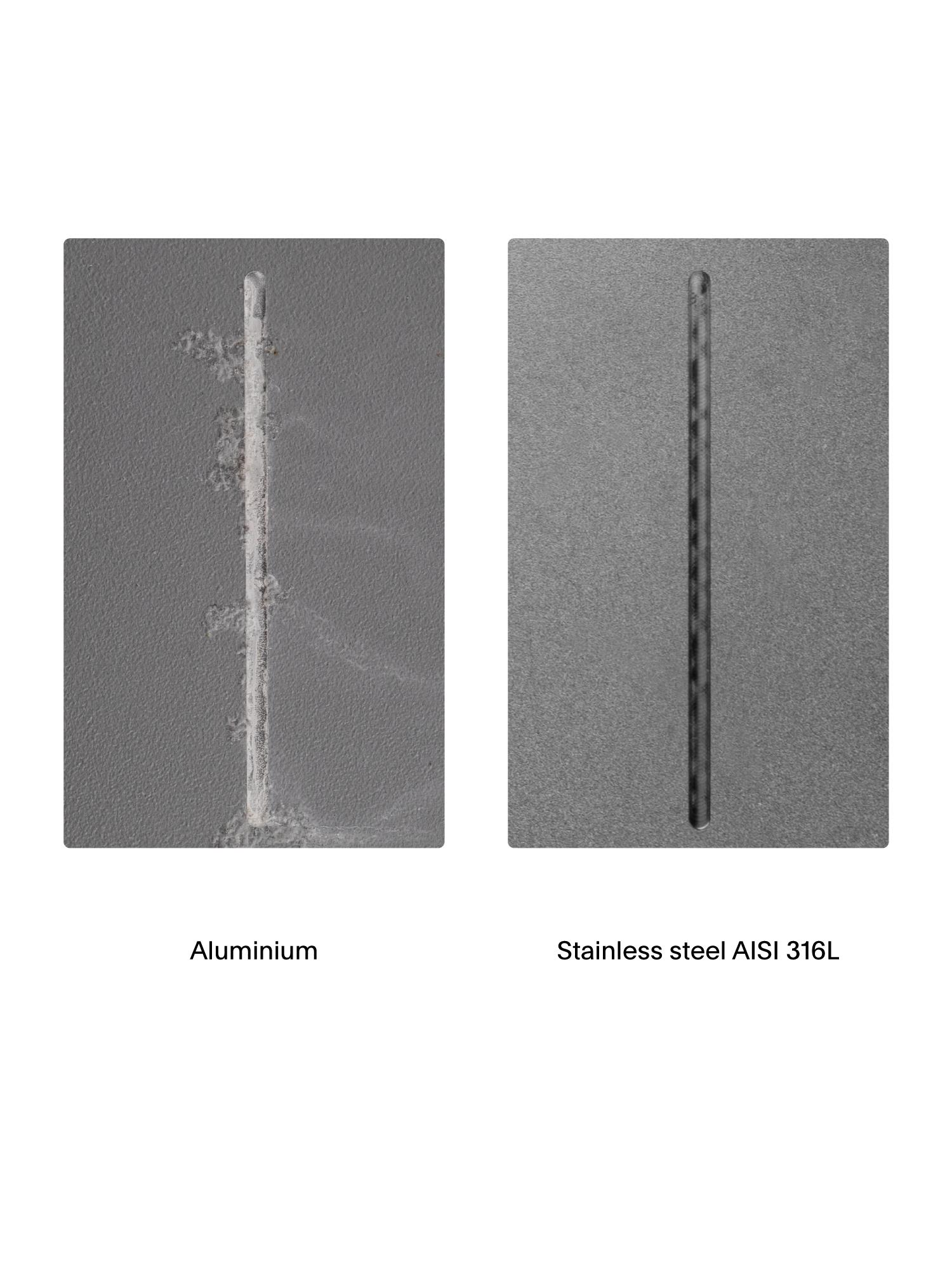
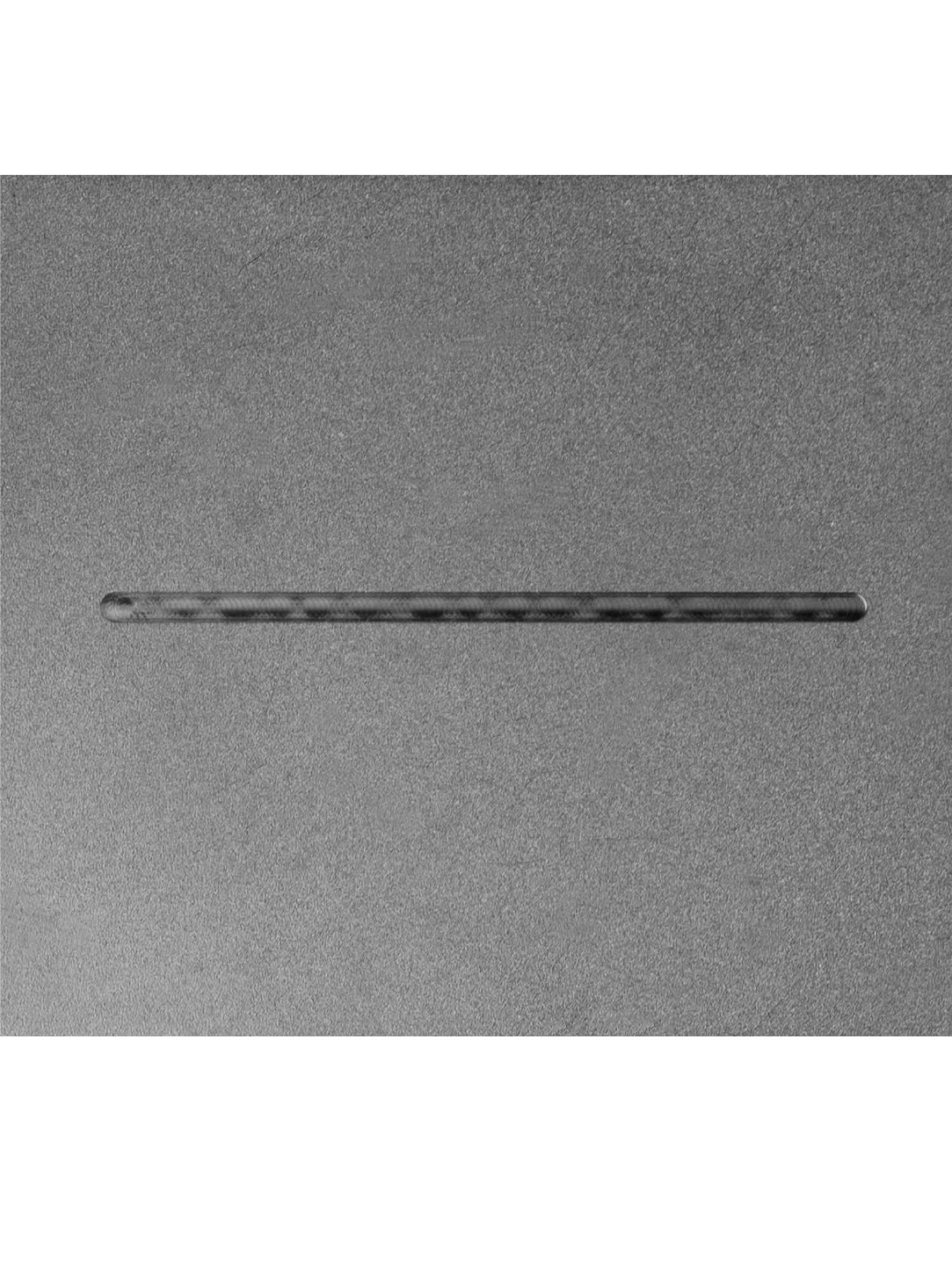
  • scratches do not expose a vulnerable substrate
  • there is no coating delamination
  • there is no painted layer that can peel over time


Coating vs material: the real design question


The real difference is not simply between aluminum and stainless steel, but between two different design philosophies: 

Approach

Logic

Long-Term Risk

Painted Aluminum

Protection through coating

Dependent on coating continuity

Stainless Steel AISI 316L

Intrinsic resistance

Stable behavior even when scratched


In other words, one approach protects the surface while the other designs durability directly into the material.

I have no idea what this is

Outdoor lighting means designing for time


Outdoor lighting products are constantly exposed to weather conditions, humidity, UV radiation, thermal expansion and saline environments.

For this reason, long-term material behavior becomes a core specification, not a secondary detail.

Painted aluminum may deliver strong initial aesthetics, but its performance remains tied to the integrity of the coating layer.

Stainless steel represents a different approach:
eliminating the vulnerability at its source instead of covering it with an additional protective layer.

There is also another important factor to consider:
painted surfaces exposed to UV radiation and atmospheric agents tend to fade over time, gradually losing color depth and visual consistency. This often gives products an aged or neglected appearance long before their functional lifespan ends.


Discover the maintenance and cleaning kit