AISI 304 or AISI 316L:
why choosing the right stainless steel for outdoor use
AISI 304 or AISI 316L:
why choosing the right stainless steel for outdoor use
When we choose a product for an outdoor project, we tend to focus on what we can see: shape, size, finish, colour and lighting performance.
But there is one aspect of the product that is not visible and which can make a huge difference over time: the material it is made from.
This is certainly true of stainless steel.
At first glance, AISI 304 and AISI 316L may seem virtually identical. Both are stainless steels, both offer good corrosion resistance and can be used in a wide range of applications.
But when the environment becomes more hostile, the difference can become apparent precisely where we’d least like to find it: in the product’s durability, appearance and ability to continue performing its function over time.
For this reason, in outdoor lighting, choosing stainless steel does not simply mean choosing ‘any stainless steel’. It means choosing the grade of protection best suited to the environment in which the product will be used.
The first thing to clarify is that ‘stainless steel’ does not mean that the steel is immune to corrosion.
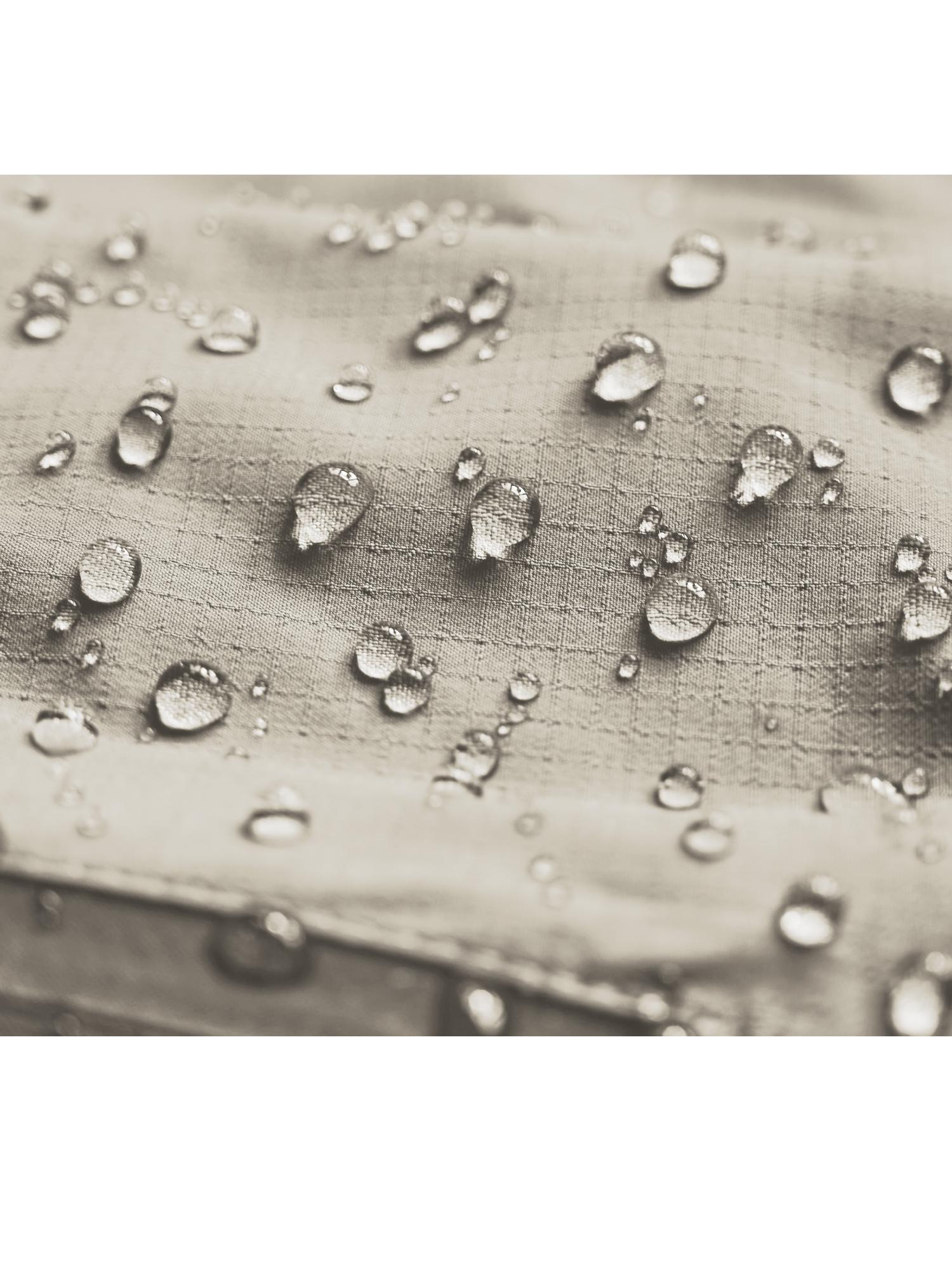
Stainless steels owe their resistance to corrosion primarily to the chromium present in the alloy. Chromium allows a very thin passive film to form on the surface, which protects the underlying metal and can reform when the surface is damaged.
We can think of it as an invisible skin.
We cannot see it, but it is precisely this film that acts as the first line of defence between the metal and the environment.
The problem is that not all ‘skins’ are the same.
The composition of the alloy determines different levels of corrosion resistance. The addition of elements such as nickel and, above all, molybdenum can improve the steel’s performance in more aggressive environments.
And this is where the difference between AISI 304 and AISI 316L comes into play.
AISI 304 is one of the most widely used stainless steels in the world. It is an austenitic chromium-nickel steel, generally containing around 18 per cent chromium and 8 per cent nickel, with good resistance to atmospheric corrosion and a wide range of applications.
AISI 316 belongs to the same family, but has one key difference: it contains molybdenum, and it is precisely this element that ensures resistance to chlorides (salt spray), thereby enhancing its corrosion resistance, particularly against pitting corrosion.
The AISI 316L grade is also characterised by a low carbon content, which is particularly useful for improving resistance to intergranular corrosion following welding.
In other words:
AISI 304 and AISI 316L may appear similar. However, their composition is not the same and, particularly in certain environments, neither is their behaviour over time.
In short
|
Feature |
AISI 304 |
AISI 316L |
|
Category |
Austenitic |
Austenitic |
|
Chromium and nickel |
✓ |
✓ |
|
Molybdenum |
— |
✓ |
|
Corrosion grade |
Fair |
High |
|
Chlorides |
More susceptible |
Greater resistance |
|
Outdoor applications |
Suitable for many environments |
Particularly suitable for more aggressive environments |
The choice, therefore, should not be based solely on the material’s aesthetic appearance, but should take into account the environment in which the product will be installed.
And this brings us to the aspect that is often overlooked.
When we install a new outdoor product, it is difficult to tell the difference between AISI 304 and AISI 316L at a glance.
The difference is not necessarily visible on the day of installation, it may become apparent over time.
Rain, humidity, air pollution, salts, chlorides and contaminants can create conditions conducive to the onset of corrosion. In particular, coastal environments or those characterised by high concentrations of chlorides require a more careful choice of steel grade.
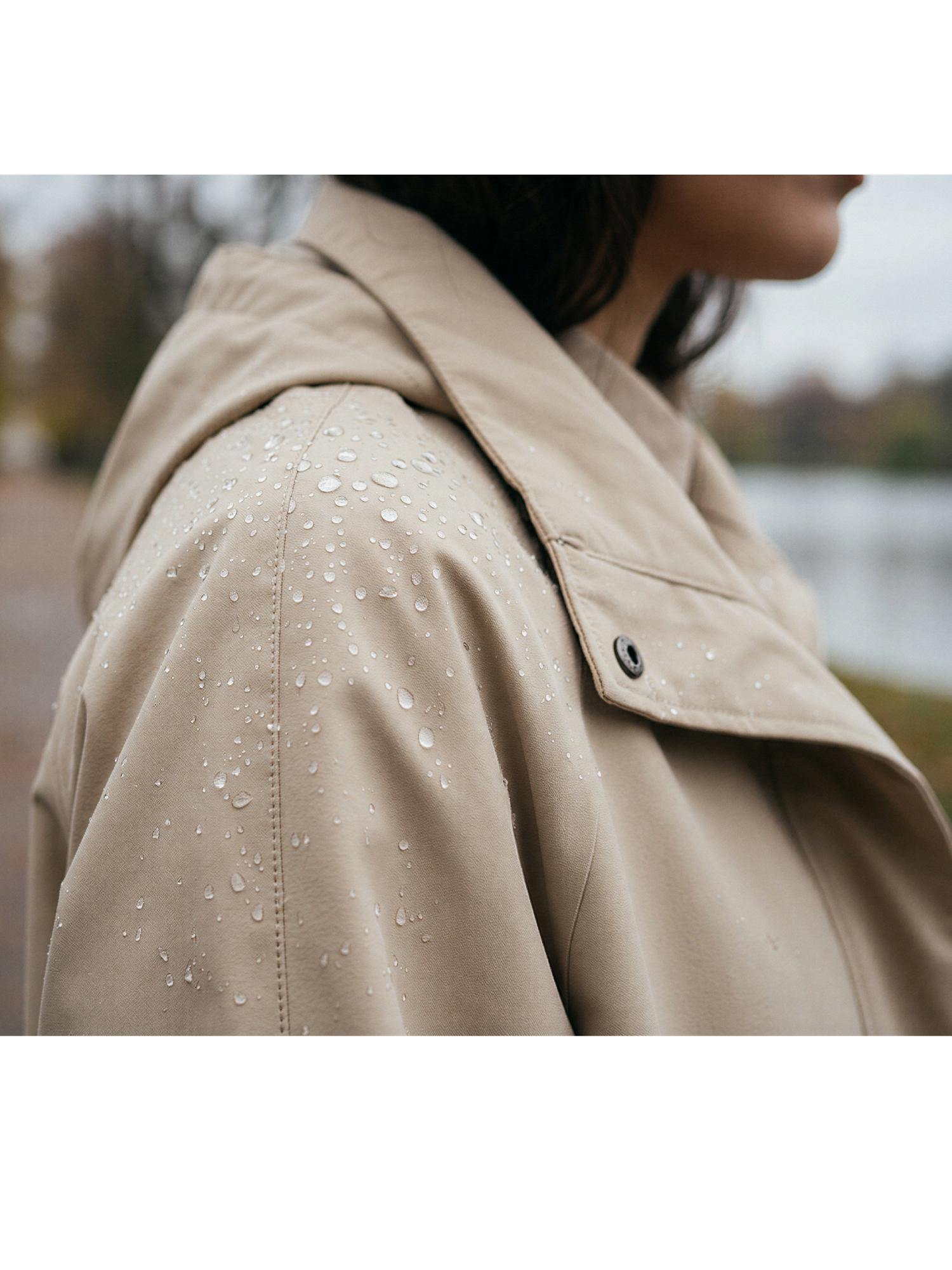
It’s a bit like choosing between a proper raincoat and a jacket that looks waterproof.
As long as it doesn’t rain, they may seem the same, but the difference becomes apparent when the storm hits.
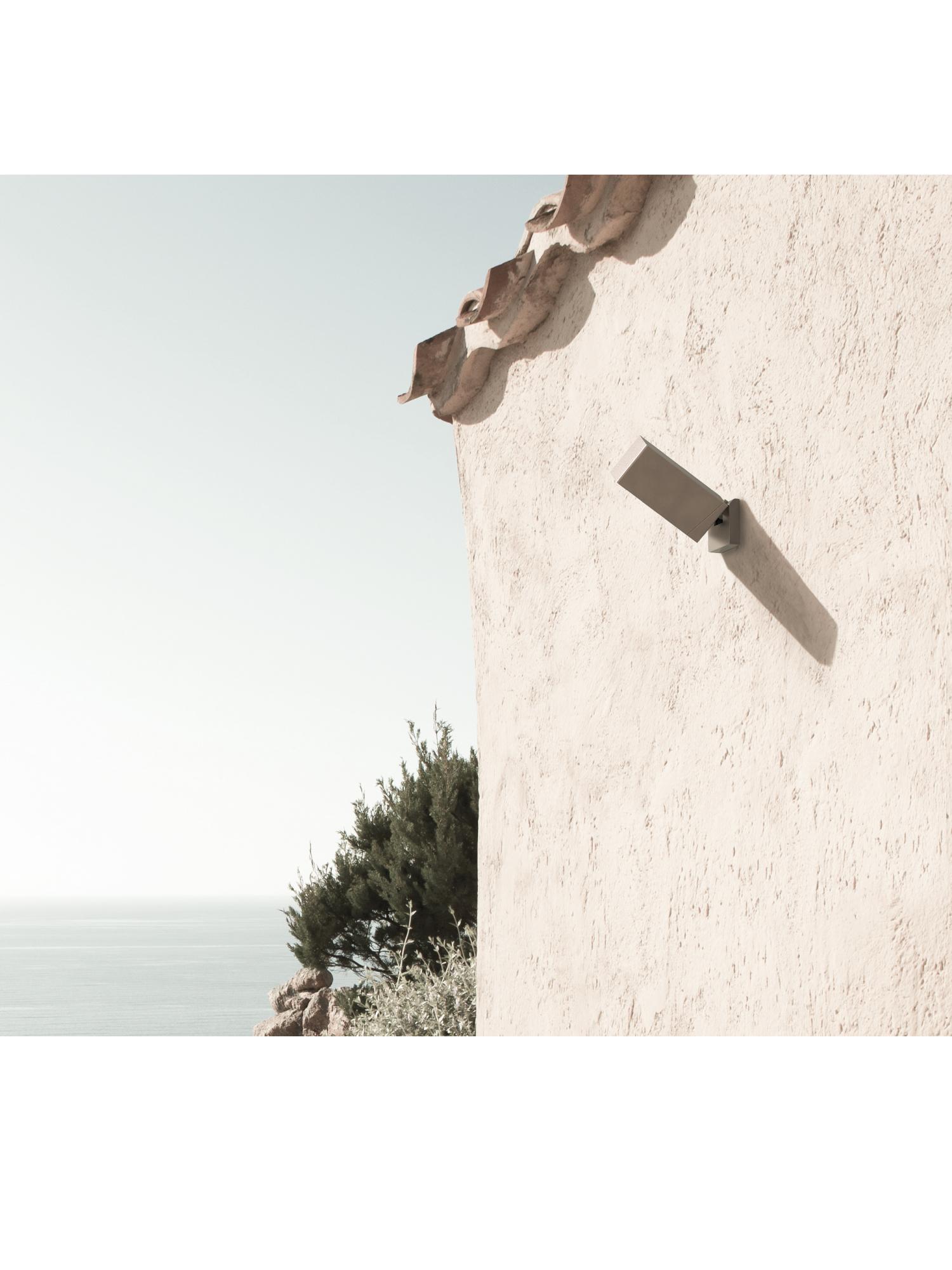
One of the phenomena to bear in mind is localised corrosion, such as pitting.
Rather than immediately affecting the entire surface, it can start in very small areas and gradually become more noticeable.
This is one of the reasons why the choice of steel cannot be separated from the design context.
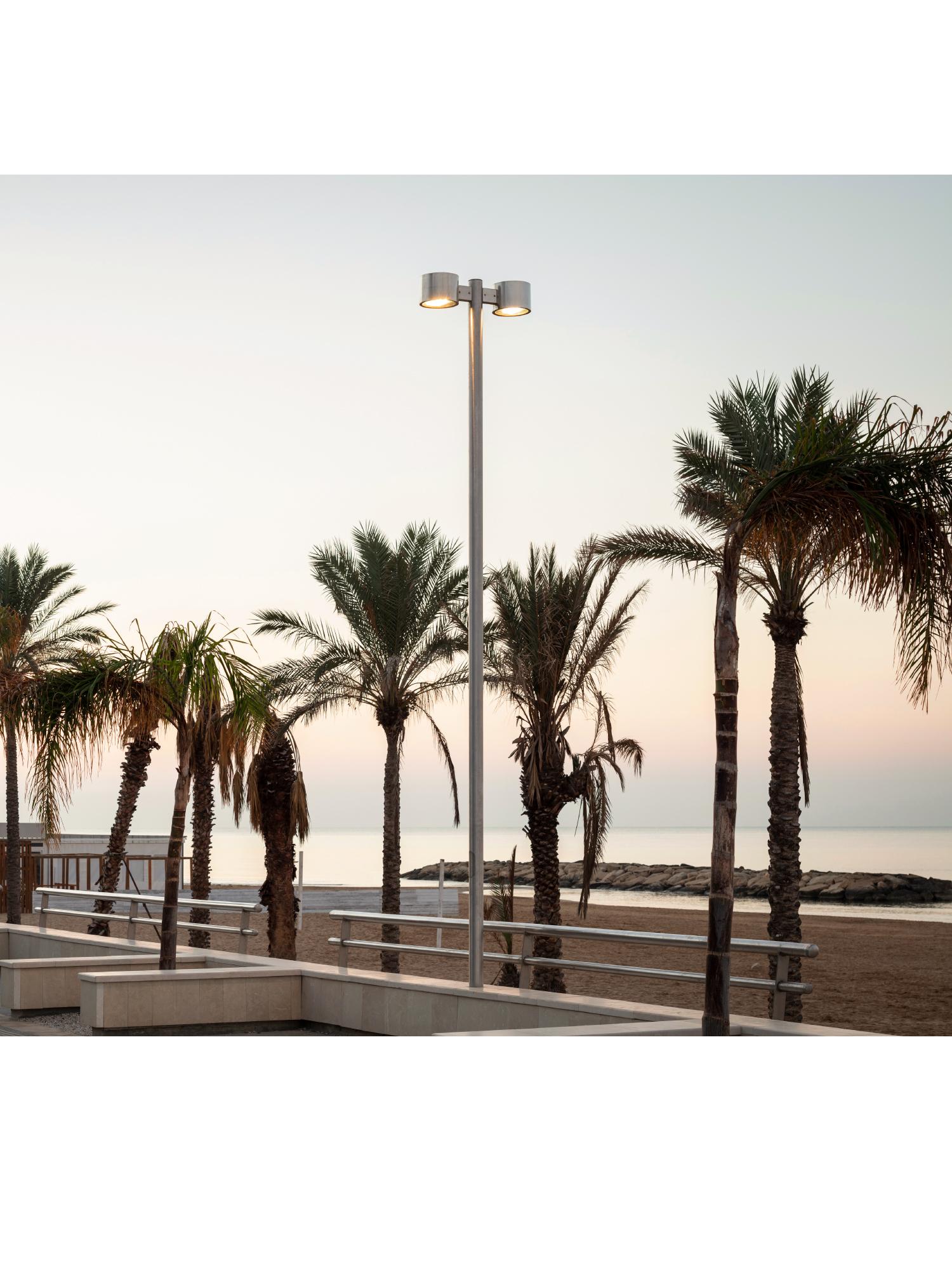
A fixture installed in an urban environment and one installed near the sea may be exposed to very different conditions.
The same applies to industrial zones, areas where de-icing salts are used, or environments characterised by higher levels of contaminants. Guidelines for the architectural use of stainless steel specify EN 1.4301/AISI 304 for moderately corrosive environments, whilst for atmospheres with higher chloride content, they recommend chromium-nickel-molybdenum steels such as EN 1.4401 and EN 1.4404.
There is therefore no such thing as ‘universal stainless steel’. There is the right stainless steel for the right environment.
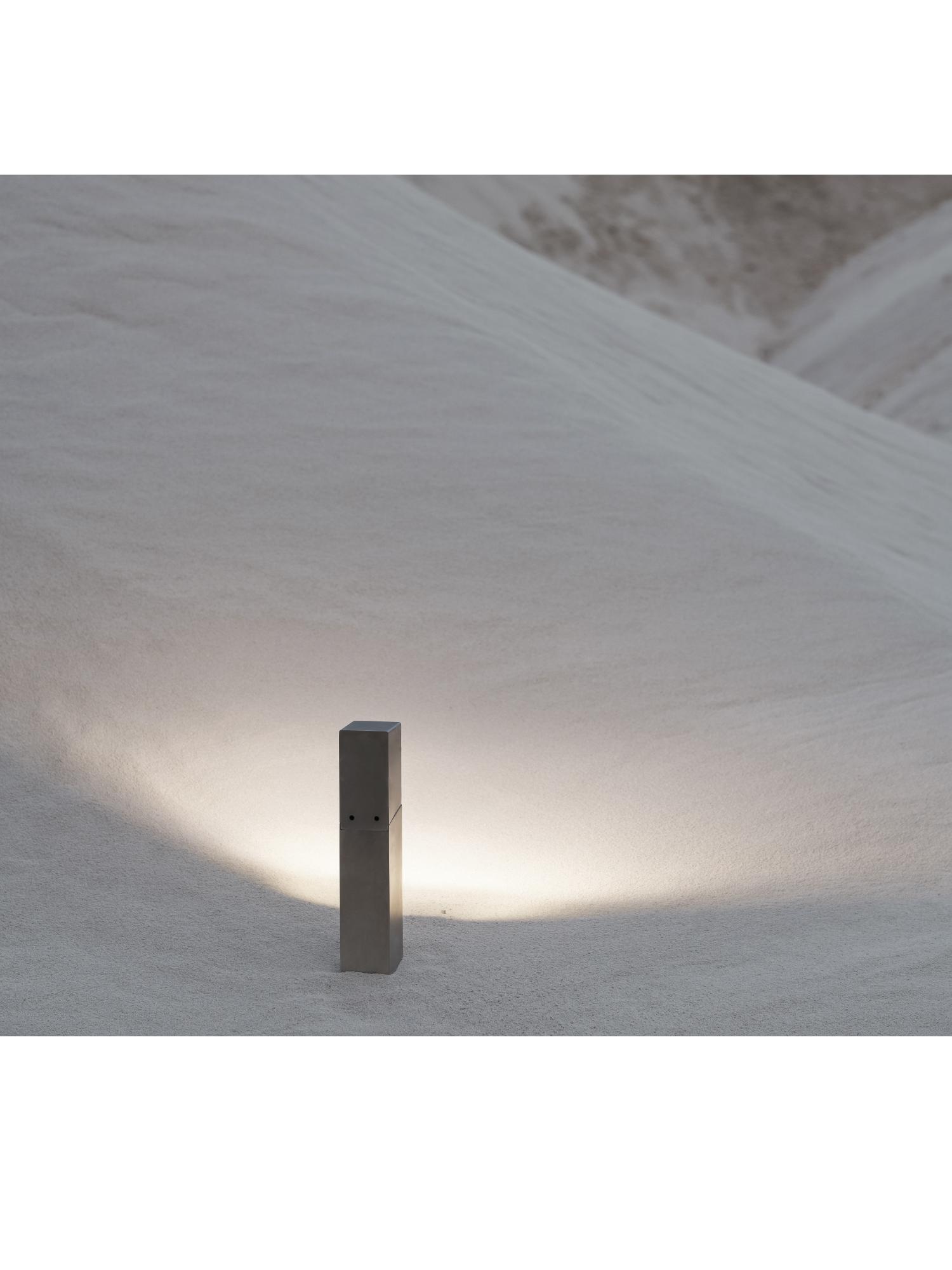
This is why STRAL uses AISI 316L stainless steel for its outdoor products.
It is not a feature that is immediately apparent, but it is a design choice that works behind the scenes, contributing to the product’s ability to withstand, over time, the conditions for which it was designed.
The advantage of AISI 316L becomes particularly apparent when the environment presents more demanding conditions, thanks to the presence of molybdenum, which increases its corrosion resistance compared to standard 304-series stainless steels.
For an outdoor product, this means starting with a different question:
not ‘Which material costs less?’
but: ‘Which material is truly suitable for this environment and this design?’
It is the quality you cannot see that can make all the difference
In outdoor design, we are used to talking about what we see: shapes, visual effects, finishes, colours and proportions; but a product designed to last is also the result of choices that remain unseen.
AISI 316L stainless steel is one such choice
Because an outdoor product must not only be designed to look good when it is installed; it must be designed to continue looking good over time.
And when it comes to materials, the difference between two seemingly identical products may lie precisely there: in the time flowing.
For STRAL, the choice of AISI 316L stainless steel is part of a design philosophy that prioritises durability, reliability and product quality.
Because in outdoor lighting, quality is not just what you see, but also what stands the test of time.